
 翁迪尔
翁迪尔 Let’s be honest for a second.
Nothing kills confidence faster than this moment: you’re walking with purpose, outfit on point, posture giving main character energy—and then you feel it. That slow, unmistakable sensation of your shapewear rolling down at the waist.
You excuse yourself, rush to the nearest restroom, tug it back into place… only for it to betray you again five minutes later.
That, right there, is fabric treason.
But here’s the real question: does all shapewear roll down by default? Or is rolling actually a design failure—something that smarter construction could’ve prevented?
Let’s break down what really causes shapewear to roll, what “anti-roll design” actually means (beyond marketing buzzwords), and how choosing the right shapewear bodysuit, butt lifter shapewear, or even sustainable shapewear can save you from unnecessary public wardrobe drama.
Why Shapewear Rolls Down: The Physics of Fabric (Yes, It’s Science)
Rolling doesn’t happen because your body is “wrong.” That narrative is tired and low-key toxic. Rolling happens because of a power struggle between gravity, body curves, and fabric tension.
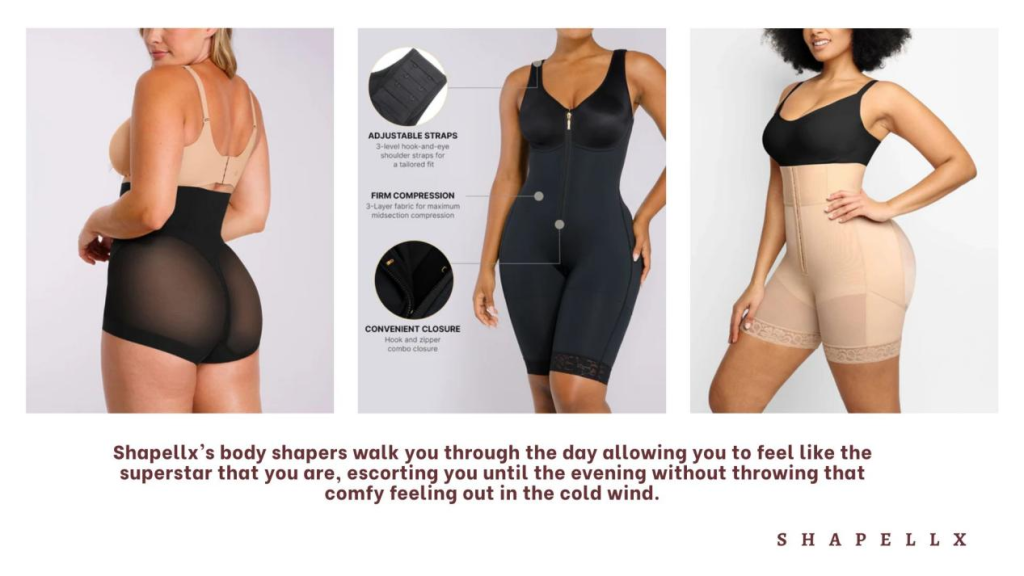
There are three main culprits.
- Wrong Size (Too Small or Too Big)
When shapewear is too tight, the fabric is stretched beyond its comfort zone. It twists, compresses unevenly, and eventually curls downward—like an overworked rubber band.
Too loose? Same chaos, different flavor. Without enough grip, the garment simply slides down.
2. Zero Structural Support
Shapewear without anchoring features, like silicone strips, reinforced hems, or flexible boning, has nothing to hold onto. No anchor = inevitable roll-down.
3. Low-Quality Fibers
Cheap elastane gets tired fast. After a few hours (or washes), it loses elasticity. Once the fabric can’t bounce back, it stops gripping your body—and gravity wins.
Rolling isn’t random. It’s predictable.
The Permanent Fix: Why a Shapewear Bodysuit Just Works
If waist cinchers keep testing your patience, here’s the blunt truth: a shapewear bodysuit is the safest architectural choice.
Why? Because it uses your shoulders as anchors.
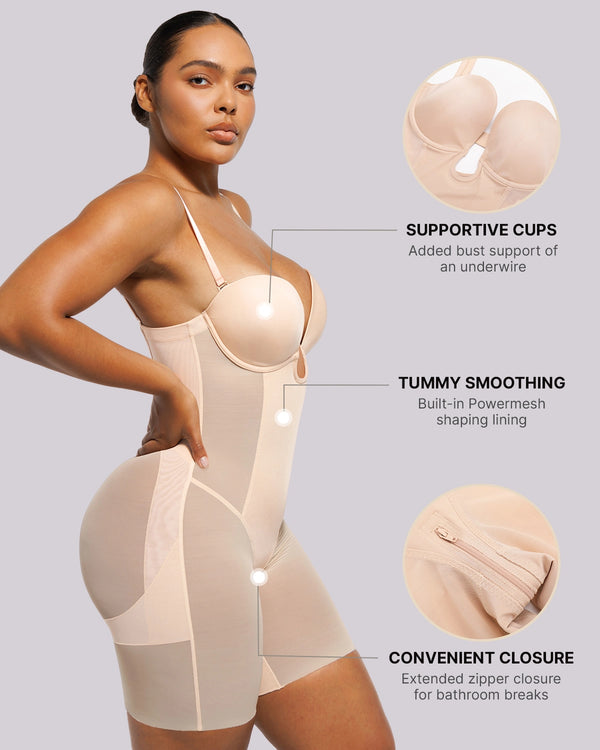
With shoulder straps involved, the fabric physically can’t roll down. There’s nowhere for it to escape. The tension is distributed vertically, not just horizontally around your waist.
A well-designed shapewear bodysuit also offers 360-degree compression—from bust to hips—eliminating weak spots where rolling usually starts. No gaps, no folding points, no silent rebellion under your dress.
It’s not just shapewear. It’s engineering.
But What About Butt Lifter Shapewear? Won’t That Roll Too?
This is a common fear—and honestly, it’s understandable.
But here’s the plot twist: high-quality butt lifter shapewear is actually less likely to roll.
Why?
Because the lift technology creates vertical tension. When the fabric is designed to lift and contour the glutes, it naturally pulls upward. That upward force counteracts rolling at the waist.
Most premium butt lifter shapewear pairs glute-lifting zones with reinforced abdominal panels. The result?
– Sculpted curves
– Stable waistline
– Zero thigh or waistband drama
You get shape and security. No compromise.
Why Sustainable Shapewear Is the Real Anti-Roll Investment
This is where things get real.
Fast-fashion shapewear might look fine on day one. But cheap fibers lose elasticity fast. Once the fabric gets “tired,” it stops hugging your body—and rolling begins.
Sustainable shapewear is built differently.
Brands that invest in sustainability use high-performance fibers with serious shape retention memory. That means:
- The fabric stretches when needed
- Snaps back after wear
- Holds structure wash after wash
Many premium sustainable shapewear collections also use medical-grade silicone anti-slip technology—designed to grip gently without irritating skin. It stays put without suffocating you.
And let’s be honest: buying one durable piece beats replacing cheap shapewear every month because it’s stretched out and unreliable.
Sustainability isn’t just eco-friendly—it’s anti-fail.
Pro Tips: How to Make Sure Your Shapewear Stays Put All Day
Before stepping out, do these three things:
1. Keep Your Skin Dry
Avoid lotion or body oil where the shapewear grips. Oils weaken anti-slip silicone. Dry skin = maximum hold.
2. Do the Sit Test
Sit down. Bend forward. Twist slightly.
If it shifts even a little, that’s a warning sign. You may need a different size or a shapewear bodysuit with straps.
3. Dress Bottom-Up
Pull the legs and hips into place first before adjusting the waist. A solid base determines upper stability. Rush this step, and the fabric will rebel later.
Finally, Control Is in Your Hands
Shapewear isn’t supposed to fight you. It’s supposed to work quietly in the background—like a great assistant who never needs credit.
If your current shapewear keeps rolling down, it’s not your body’s fault. It’s feedback. A sign that you need smarter design, better structure, and higher-quality materials.
Choose a shapewear bodysuit for total security.Opt for butt lifter shapewear if you want precise curves without movement.
Invest in sustainable shapewear for long-term reliability and zero drama.
Beauty takes effort—but it should never require constant tugging in public bathrooms. Stand tall. Walk confidently. Now you know the secret behind a flawless silhouette—no fabric betrayal included.