 翁迪尔
翁迪尔 For most of us, fashion is fun, right? Everybody loves a cute outfit which also fits well, a cozy sweater and a well-made blazer. You know what the truth is? The behind-the-scenes story of our clothes matters equally as how they look on us. Currently, we have seen more people asking the same question.
“Where do my clothes actually come from?”
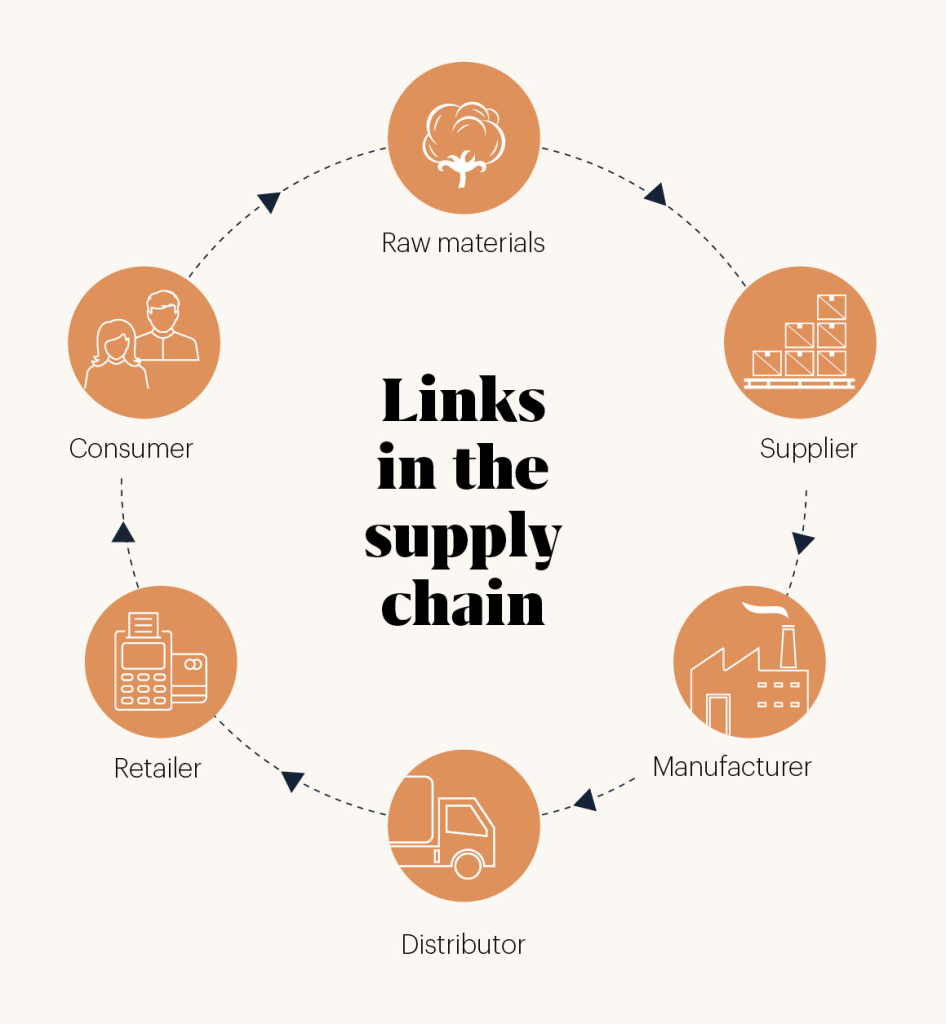
Not just the store. Not just the brand. But the real story — the farms, the mills, the factories, the workers, the whole journey from fiber to hanger.
And honestly? This is exactly the point where we see ethical sourcing and transparency come into play. These two particular ideas are reshaping global fashion with one supply chain at a time. It is time to break it down for you in a simpler way.
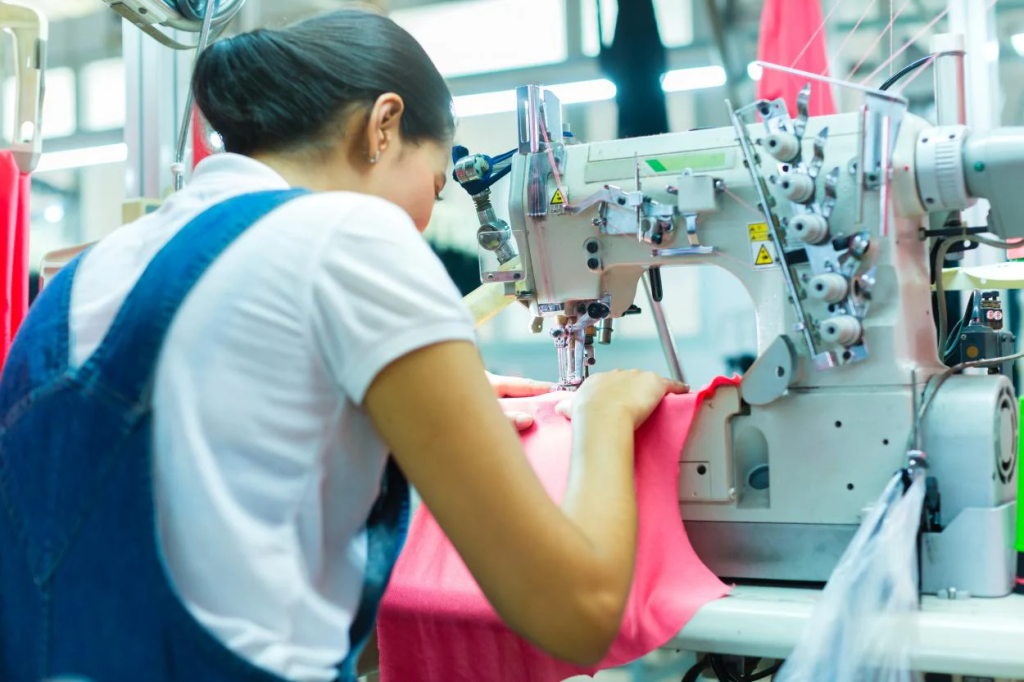
Source: fashion supply chain transparency
People Want To Know Who Made Their Clothes
For years, fashion felt like this huge mystery. You buy a shirt, you wear it, you toss it. No questions asked. But things changed.
Documentaries, social media, and global conversations opened everyone’s eyes. Now, people want to know:
- Who stitched this?
- Were they paid fairly?
- Is the fabric safe?
- Was the work environment healthy?
- Did anyone suffer so I could wear this?
So, ethical sourcing is, in fact, the movement to answer these questions. Moreover, it is about respecting your workers, paying fair salaries and ensuring safety. Everybody working in the supply chain are humans, not some robot working tirelessly.
Fashion shouldn’t cost someone else’s well-being. And consumers aren’t willing to ignore that anymore.
Transparency Is No Longer Optional
You can say that this is the biggest shift. The modern brands are not hiding things anymore, especially in the era of social media. The people are keeping an eye on them, and there are millions of consumers who truly care.
Do you know what transparency means? It means showing the complete and the right story, whether it is good or bad.
- where their cotton is grown
- how their fabrics are dyed
- which factories cut and stitch their garments
- what chemicals they use
- how they treat their workers
And guess what? Consumers LOVE brands that are honest. Even if the brand isn’t perfect — honesty builds trust.
Source: The search for fashion supply chain transparency
The Rise of “Traceable Fashion”
One cool thing happening right now is traceability tech. Fashion is getting smarter with:
- QR codes
- blockchain tracking
- digital IDs
- RFID tags
- scannable labels
You scan a code on your shirt, and boom — you can see every step of its journey. Where the fiber came from. Where it was spun. Where it was stitched. Who handled it?
European and American brands especially are leaning into this. It’s modern, transparent, and honestly… It feels good knowing your clothes have a real story.
Consumers Are Voting With Their Wallets
People are actually choosing ethical brands over shady ones — even if the ethical pieces cost a little more. Because it feels better. You’re not just buying a sweater. You’re supporting:
- better wages
- safer factories
- cleaner materials
- real craftsmanship
- the future of fashion
The biggest shift? Young shoppers are leading the way. Gen Z is basically allergic to brands that hide things or ignore human rights. They want authenticity. They want receipts. And they care about impact.
Fashion brands that get this? They’re winning — and growing.
Ethical Sourcing Also Means Better Quality
Let’s be real: fast fashion burns out fast. Loose threads. Warped seams. Faded prints. Fabrics that feel cheap within weeks.
Ethically sourced garments, on the other hand, usually come from:
- skilled artisans
- carefully managed farms
- clean mills
- higher-quality fibers
- safer dye houses
Quality isn’t an accident — it’s the result of slower, more intentional production. Ethical fashion isn’t just moral. It’s durable. It lasts longer. It fits better. It feels better on your skin.
That’s the part nobody tells you — ethical sourcing often means superior clothes.
Environmental Impact Matters Too
Ethical sourcing isn’t just about workers. It’s also about the planet. Brands are being pushed to adopt:
- organic cotton
- low-water dyeing
- recycled materials
- reduced chemical use
- energy-efficient manufacturing
- circular fashion models
Because let’s face it — fashion waste is a huge problem. Tons of clothing end up in landfills every year.
Transparency pushes brands to stop hiding environmental harm. If they use toxic dyes or pollute water streams, people will know. And they’ll lose customers fast.
Source: Value Chain Traceability: A Major Challenge for the Sustainable Fashion Industry | SupplyChainBrain
Ethical Factories Are Setting New Standards
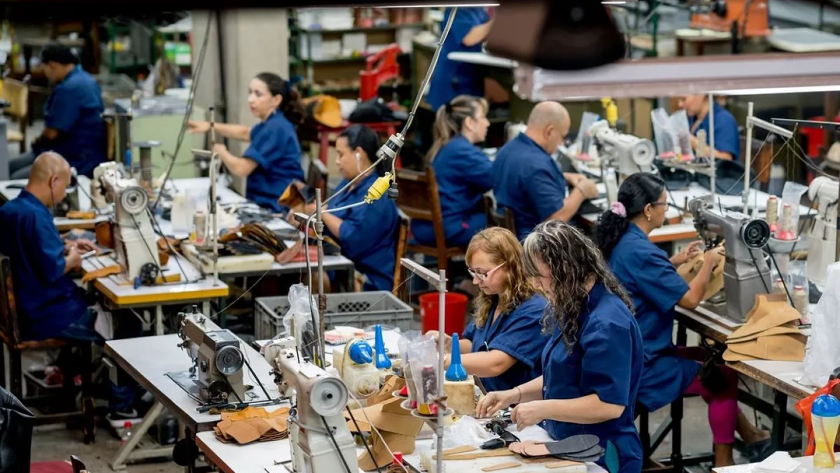
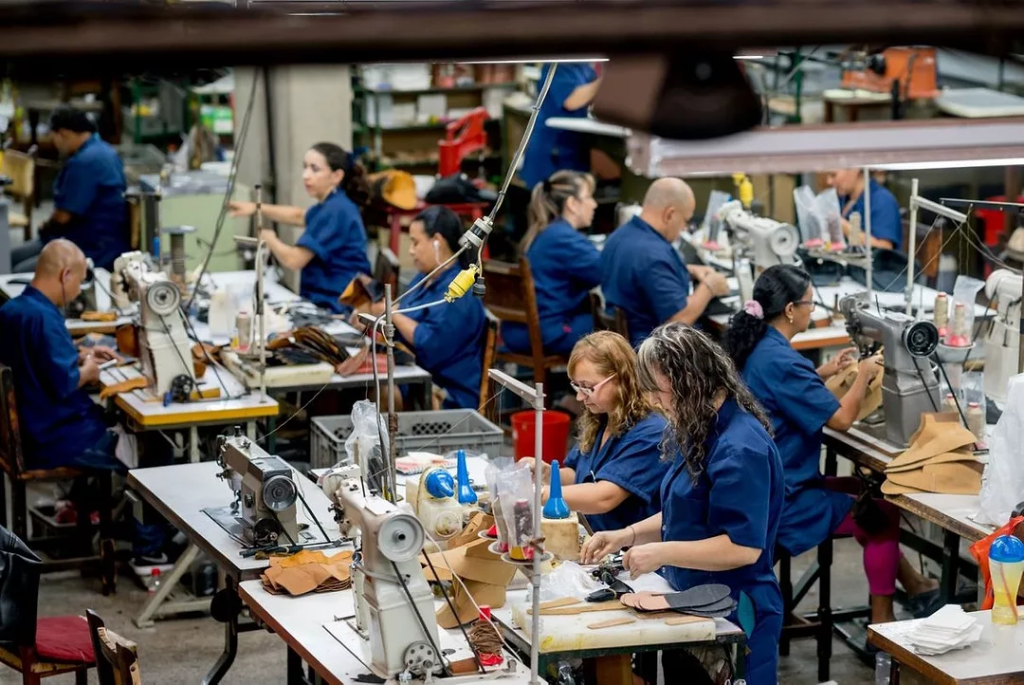
Once upon a time, “factory” meant something dark, hidden, unsafe. But modern ethical factories are entirely different. Especially in Europe, Turkey, Portugal, and parts of South Asia, you will see something extraordinary.
We’re now seeing:
- bright, clean workspaces
- safe equipment
- fair hours
- medical benefits
- childcare support
- real lunch breaks
- worker training
- women-led facilities
When factories are ethical, everyone wins. Workers thrive. Brands protect their reputation. Consumers get quality pieces. And the industry sets a new baseline.
Brands That Hide Their Supply Chains? Red Flags Everywhere.
Fashion transparency is becoming non-negotiable. If a brand refuses to reveal:
- where it produces
- what its workers earn
- how it sources cotton
- what chemicals it uses …that’s a massive red flag.
Modern consumers take that as a sign that something is wrong. And honestly? They’re usually right.
Silence is suspicious in today’s fashion world. Transparency is trust.
Ethical Sourcing Is Becoming a Status Symbol
Here’s something new and interesting: Ethical fashion is becoming a flex.
Wearing something made from:
- fair-trade cotton
- artisan handwoven fabric
- ethically sourced wool
- recycled textiles
- traceable materials
…is now a lifestyle statement. It says: “I care.” “I choose quality.” “I support people.” “I’m conscious.”
It’s becoming part of personal identity — like wellness, skincare, and slow living.
Source: Fashion Logistics: Clothing Transportation Services
Final Thoughts
Ethical sourcing and transparency aren’t just trends. They’re becoming the foundation of modern fashion.
People want honesty. They want fairness. They want quality. They want clothes that don’t hurt the planet or the people behind them.
Fashion is finally stepping into a more responsible, human, and truthful era — and it looks good on everyone.
So next time you shop, look for brands that tell the whole story. Not just the pretty part. Not just the label. The real story.
Because ethical fashion isn’t just about what you wear. It’s about what you stand for.